
Service List
Contact With us for any advice
More Services
PCOS and PCOD can affect menstrual cycles, hormones, ovulation, skin, hair, weight and fertility. Since symptoms can vary from woman to woman, appropriate evaluation is important before deciding on a treatment approach.
Dr. Vaishali Chavan provides personalised evaluation and management for women experiencing symptoms associated with PCOS/PCOD in Pune.
Understanding PCOS and PCOD
Polycystic Ovary Syndrome (PCOS) is a hormonal and reproductive health condition that can affect ovulation and menstrual cycles. It may also be associated with symptoms such as acne, unwanted facial or body hair, hair thinning and changes in weight.
The terms PCOS and PCOD are often used interchangeably in everyday conversations, although they are not necessarily identical medical terms. A proper clinical assessment helps understand the symptoms and underlying concerns affecting each woman.
PCOS does not look the same in every patient. Some women mainly experience irregular periods, while others may seek consultation because of acne, excess hair growth, difficulty with weight management or difficulty conceiving.
Common PCOS / PCOD Symptoms in Women
PCOS and PCOD symptoms can vary depending on hormonal and reproductive factors. Common symptoms may include:
- Irregular, delayed or missed periods
- Heavy or prolonged menstrual bleeding
- Difficulty predicting menstrual cycles
- Acne or oily skin
- Excess facial or body hair
- Hair thinning or hair fall
- Weight changes or difficulty managing weight
- Signs associated with hormonal imbalance
- Irregular ovulation
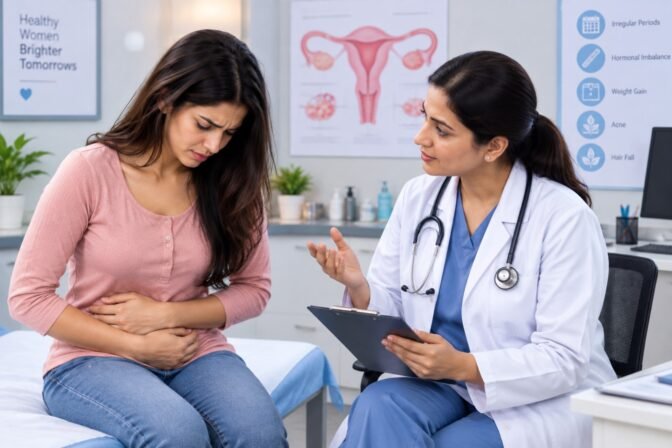
Having one of these symptoms does not automatically mean that a woman has PCOS. A gynecological evaluation is important for appropriate diagnosis.
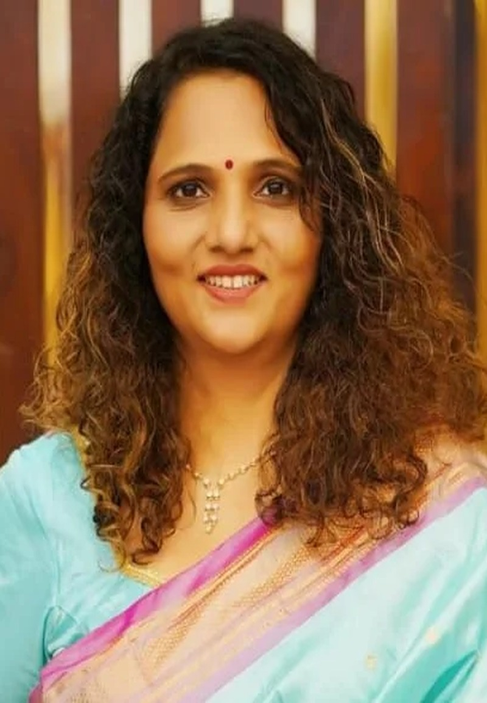
Dr. Vaishali Chavan
Dr. Vaishali Chavan provides personalised women's healthcare with a focus on clear communication, individualised treatment and comprehensive care at every stage of a woman's health journey, backed by 20+ years of experience.
When Should You Consult a Gynecologist for PCOS / PCOD?
Consider consulting a gynecologist if you experience persistent menstrual irregularity, unexplained hormonal symptoms or difficulty conceiving.
- Your periods are frequently irregular or absent
- You have persistent acne or unwanted hair growth
- You experience unexplained changes in weight
- You have concerns about ovulation
- You are trying to conceive without success
- Your menstrual symptoms are affecting your daily life
How PCOS / PCOD is Diagnosed
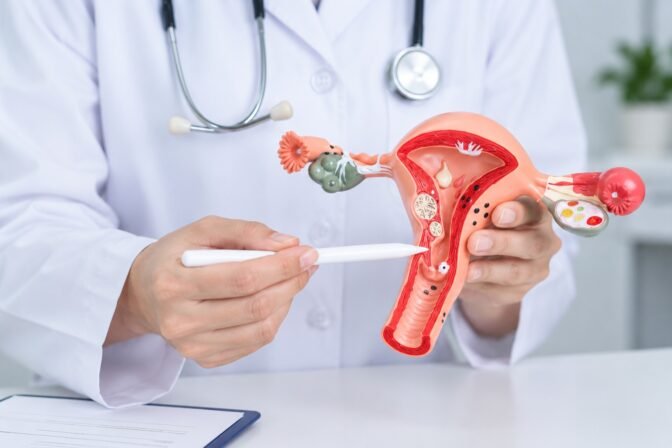
There is no single test that is suitable for every woman with suspected PCOS. Diagnosis generally involves understanding your symptoms, menstrual history and overall health.
Medical and menstrual history
Understanding your cycle pattern, symptoms and reproductive goals.
Ical examination
Assessment based on the symptoms and clinical findings.
Blood tests
Hormonal or metabolic tests may be recommended when clinically appropriate.
Ultrasound
An ultrasound may be advised when required as part of the overall evaluation.
PCOS / PCOD Treatment in Pune
PCOS treatment is not a one-size-fits-all approach. The treatment plan depends on your symptoms, menstrual pattern, ovulation, overall health and whether you are currently planning pregnancy.
PCOS/PCOD management may include:
Lifestyle and Nutrition Management
Healthy eating, regular physical activity, adequate sleep and sustainable lifestyle habits can form an important part of PCOS management.
Menstrual Cycle Management
Women with irregular or absent periods may require an appropriate treatment plan to manage their menstrual health and protect long-term reproductive health.
Hormonal and Symptom Management
Depending on individual symptoms, medical treatment may be recommended to manage concerns such as irregular periods, acne or unwanted hair growth.
Ovulation Management
For women whose PCOS affects ovulation, treatment may focus on supporting regular ovulation, particularly when pregnancy is being planned.
Fertility Treatment for PCOS
PCOS can affect ovulation and may contribute to difficulty conceiving. When pregnancy is desired, the treatment plan can focus on evaluating ovulation and addressing fertility-related concerns.
PCOS and Fertility: Can You Get Pregnant With PCOS?
PCOS can affect ovulation, which may make conception more difficult for some women. However, having PCOS does not automatically mean that pregnancy is impossible.
If you are planning pregnancy, a gynecologist can assess your menstrual cycle, ovulation and other factors that may influence fertility.
Depending on the individual situation, fertility management may include ovulation-focused treatment and, when appropriate, assisted reproductive options.
If you have PCOS and are trying to conceive, it is useful to discuss your fertility goals with a gynecologist rather than delaying evaluation.
Video: PCOS / PCOD Explained by Dr. Vaishali Chavan
Why Consult Dr. Vaishali Chavan for PCOS / PCOD?
PCOS management may require understanding both menstrual and reproductive health concerns. Dr. Vaishali Chavan provides gynecological care with experience in menstrual disorders, PCOS management and fertility-related concerns.
Frequently Asked Questions About PCOS / PCOD
1. What are the symptoms of PCOS in women?
Common PCOS symptoms may include irregular or missed periods, acne, excess facial or body hair, hair thinning, weight changes and difficulty with ovulation or conception. Symptoms can vary between individuals.
2. What is the difference between PCOS and PCOD?
PCOS and PCOD are often used interchangeably in everyday conversations, but they are not necessarily identical medical terms. A gynecologist can assess your symptoms and determine the appropriate diagnosis and management.
3. Can PCOS cause irregular periods?
Yes. PCOS can affect ovulation and may result in irregular, delayed or missed periods. However, irregular periods can have several possible causes, so proper evaluation is important.
4. Can women with PCOS get pregnant?
Yes. Some women with PCOS may experience difficulty conceiving because of irregular ovulation, but PCOS does not mean that pregnancy is impossible. Fertility evaluation and appropriate treatment can help address ovulation-related concerns.
5. Can PCOS be cured permanently?
PCOS is generally considered a long-term condition that can be managed rather than something that can simply be permanently cured with one treatment. Management focuses on the individual's symptoms, reproductive goals and overall health.
6. What causes PCOS?
PCOS is associated with hormonal and metabolic factors, and the exact cause is not completely understood. Genetic and environmental factors may contribute to its development.
7. Does every woman with PCOS have ovarian cysts?
No. The presence of polycystic-appearing ovaries is not required in every case of PCOS. Diagnosis depends on the overall clinical picture rather than ultrasound findings alone.
8. Can PCOS affect fertility?
Yes. PCOS can affect ovulation and may contribute to difficulty conceiving. Women planning pregnancy can discuss their menstrual pattern, ovulation and fertility goals with a Gynecologist.
9. Does PCOS always cause weight gain?
No. PCOS can occur in women with different body types. Weight gain or difficulty managing weight can be associated with PCOS in some women, but it is not present in everyone.
10. Can lifestyle changes help manage PCOS?
Healthy lifestyle habits, including balanced nutrition, regular physical activity, adequate sleep and sustainable weight management where appropriate, can form an important part of PCOS management. The specific recommendations should be personalised.
Dr. Vaishali Chavan's Clinic
Visit our clinic for personalised women's healthcare and gynecological consultation.
Clinic Location
Dr. Vaishali Chavan's Saanvi Clinic
106 Picasso Landmark,
Opposite Kedari Petrol Pump,
Near Oxford Village, Wanowrie,
Pune – 411040