

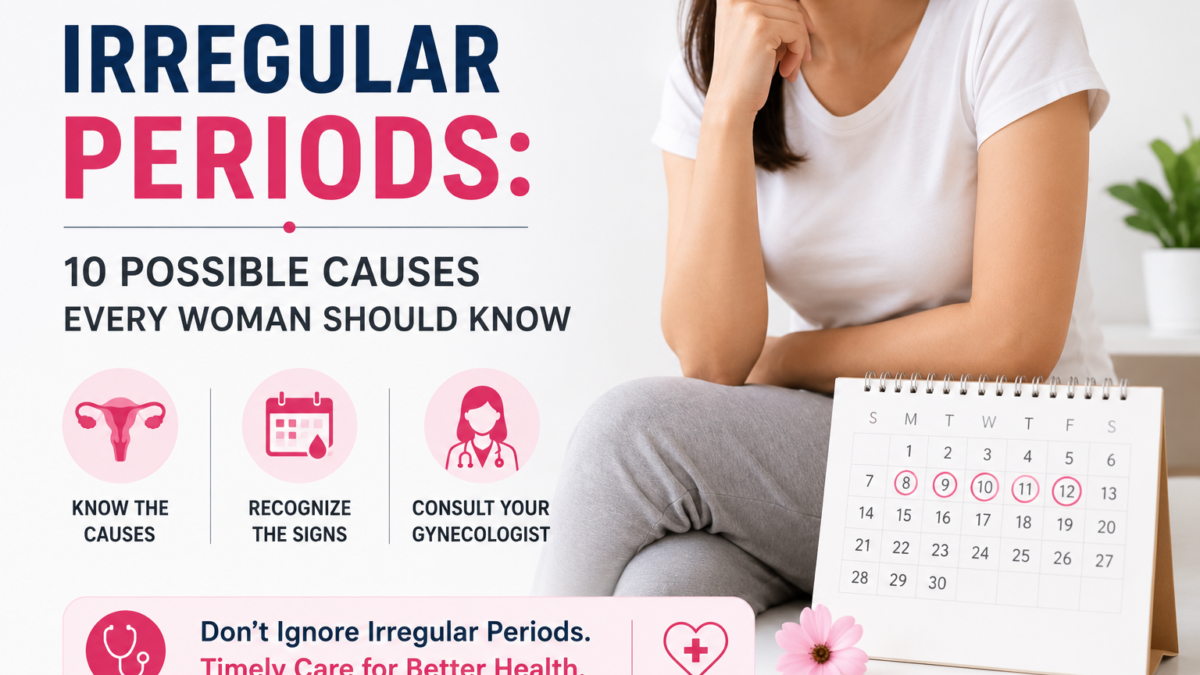
A regular menstrual cycle is one of the key indicators of a woman’s reproductive health. Although every woman’s cycle is unique, most menstrual cycles occur every 21 to 35 days and last between two and seven days. Occasional changes in the timing or flow of a period are usually not a cause for concern. However, if your periods frequently arrive too early, too late, become unusually heavy or light, or stop altogether without pregnancy, it may indicate an underlying health condition that requires medical attention.
Irregular periods are a common concern among women of all ages, particularly during adolescence, after childbirth, and as menopause approaches. Hormonal changes, lifestyle factors, and certain medical conditions can all affect the menstrual cycle. Understanding the possible causes of irregular periods is the first step toward receiving the right diagnosis and treatment.
What Are Irregular Periods?
Irregular periods occur when the menstrual cycle consistently varies in length, frequency, or flow. Some women may experience cycles that are shorter than 21 days or longer than 35 days, while others may skip periods for several months. Changes in menstrual bleeding, including unusually heavy bleeding, light spotting, or prolonged periods, are also considered menstrual irregularities.
Although occasional cycle changes can happen due to stress or illness, persistent irregular periods should be evaluated by a gynecologist to identify the underlying cause and prevent potential complications.
Why Is a Regular Menstrual Cycle Important?
A regular menstrual cycle reflects a healthy balance of hormones and proper functioning of the ovaries and reproductive system. It also plays a vital role in fertility and overall health. When periods become irregular, it may signal hormonal imbalances, reproductive disorders, thyroid problems, or other medical conditions that could affect a woman’s ability to conceive and her long-term health.
What Are the 10 Possible Causes of Irregular Periods?
One of the most common causes of irregular periods is Polycystic Ovary Syndrome (PCOS). PCOS is a hormonal disorder that affects ovulation and often results in infrequent or missed periods. Women with PCOS may also experience acne, excessive facial or body hair growth, weight gain, and difficulty becoming pregnant. Early diagnosis and lifestyle management can help regulate the menstrual cycle and improve fertility.
Another major cause is hormonal imbalance. Hormones such as estrogen and progesterone regulate the menstrual cycle, and any imbalance can disrupt ovulation. Hormonal fluctuations may occur during puberty, after childbirth, while breastfeeding, or during perimenopause. Certain medications and endocrine disorders may also affect hormone levels.
Stress is another significant factor that can influence menstrual health. Emotional stress, anxiety, and major life changes increase cortisol levels, which may interfere with the hormones responsible for ovulation. As a result, periods may become delayed, lighter than usual, or temporarily stop.
Thyroid disorders can also contribute to irregular menstrual cycles. Both hypothyroidism and hyperthyroidism affect hormone production and can lead to changes in menstrual frequency, heavy bleeding, or missed periods. Treating the thyroid condition often helps restore a normal cycle.
Pregnancy is one of the first possibilities to consider when a period is missed. Implantation of a fertilized egg naturally stops menstruation. Women who miss a period after unprotected intercourse should consider taking a pregnancy test and consulting a healthcare provider.
Sudden weight gain or significant weight loss can also interfere with hormone production and ovulation. Excess body fat increases estrogen levels, while being underweight can reduce hormone production. Maintaining a healthy body weight through balanced nutrition and regular exercise supports menstrual health.
Excessive physical exercise is another factor that may cause irregular or absent periods. Intense athletic training or strenuous workouts can lower body fat and alter hormone levels, affecting ovulation. Female athletes are particularly at risk of exercise-related menstrual irregularities.
Certain medications, including hormonal contraceptives, antidepressants, chemotherapy drugs, and steroids, may also affect the menstrual cycle. Women who notice changes in their periods after starting a new medication should discuss their symptoms with their doctor before making any changes to treatment.
As women approach their late forties or early fifties, perimenopause becomes a common cause of irregular periods. During this transitional stage before menopause, hormone levels fluctuate significantly, leading to unpredictable menstrual cycles, hot flashes, mood changes, and sleep disturbances.
Finally, underlying uterine conditions such as fibroids, endometrial polyps, adenomyosis, or endometriosis can also contribute to irregular or heavy menstrual bleeding. These conditions may cause pelvic pain, prolonged periods, painful menstruation, and fertility problems, making early diagnosis and treatment essential.
What Symptoms May Accompany Irregular Periods?
Women with irregular periods may notice changes beyond the timing of their menstrual cycle. Symptoms can include unusually heavy or light bleeding, severe menstrual cramps, spotting between periods, prolonged bleeding, pelvic pain, acne, excessive hair growth, sudden weight changes, mood swings, fatigue, or difficulty becoming pregnant. The presence of these symptoms may help doctors determine the underlying cause.
How Are Irregular Periods Diagnosed?
Diagnosing irregular periods begins with a detailed discussion of your menstrual history, lifestyle, medical conditions, and medications. A gynecologist may recommend blood tests to evaluate hormone levels, thyroid function, and blood sugar. Pelvic ultrasound is commonly performed to assess the ovaries and uterus, while additional investigations may be required depending on the suspected cause. Early diagnosis helps ensure timely treatment and reduces the risk of future complications.
Can Irregular Periods Be Prevented?
Although not every cause of irregular periods can be prevented, adopting healthy lifestyle habits can help reduce the risk. Eating a nutritious diet, maintaining a healthy weight, managing stress effectively, getting regular physical activity without overtraining, sleeping well, and attending routine gynecological checkups all contribute to better menstrual and reproductive health. Women should also avoid self-medicating with hormonal medications without medical advice.
Frequently Asked Questions (FAQs)
- What are irregular periods?
Irregular periods are menstrual cycles that vary significantly in timing, duration, or flow, occurring more frequently than every 21 days or less frequently than every 35 days.
- What is the most common cause of irregular periods?
Polycystic Ovary Syndrome (PCOS) is one of the most common causes, followed by hormonal imbalance, stress, thyroid disorders, and significant weight changes.
- Can stress cause irregular periods?
Yes. Physical and emotional stress can disrupt hormone levels, delay ovulation, and cause missed or delayed periods.
- Are irregular periods a sign of infertility?
Not always. However, persistent irregular periods may indicate ovulation problems that can affect fertility, making medical evaluation important.
- When should I see a doctor for irregular periods?
You should consult a gynecologist if your periods stop for more than three months, become extremely heavy, occur very frequently or infrequently, or are associated with severe pain or other concerning symptoms.
- What causes irregular periods?
Irregular periods may be caused by PCOS, hormonal imbalance, thyroid disorders, stress, pregnancy, weight changes, excessive exercise, medications, perimenopause, or uterine conditions. - Can irregular periods become normal again?
Yes. Many women regain a regular menstrual cycle once the underlying cause is diagnosed and treated appropriately. - Does PCOS always cause irregular periods?
Most women with PCOS experience irregular or absent periods due to irregular ovulation, although symptoms can vary. - Can thyroid problems affect menstrual cycles?
Yes. Both an underactive and overactive thyroid can disrupt hormone levels and lead to irregular, heavy, or missed periods. - Is it normal to have irregular periods during puberty or perimenopause?
Yes. Hormonal fluctuations during puberty and the transition to menopause commonly cause temporary menstrual irregularities.