
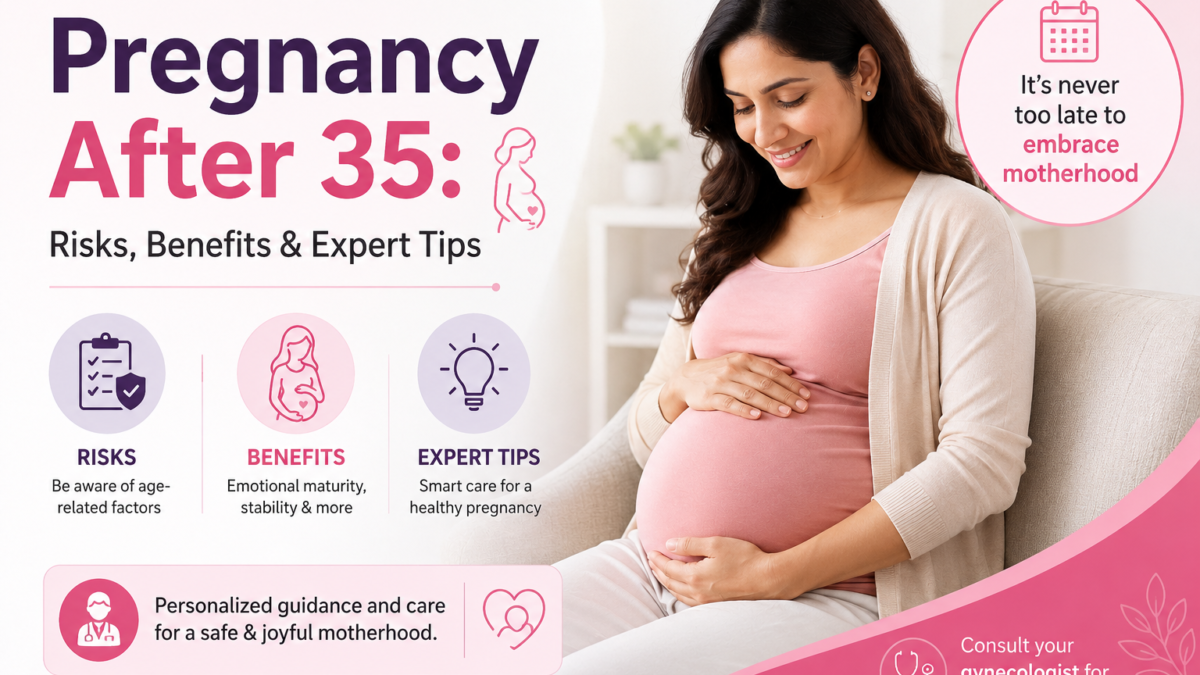
Pregnancy after the age of 35 has become increasingly common as more women choose to start or expand their families later in life. Advances in healthcare, improved prenatal screening, and better awareness of maternal health have made it possible for many women over 35 to experience healthy pregnancies and deliver healthy babies. Although pregnancy at this stage is often referred to as advanced maternal age, it does not necessarily mean that complications will occur. With proper medical care, healthy lifestyle choices, and regular prenatal checkups, many women enjoy a safe and successful pregnancy after 35.
Understanding the potential risks, recognizing the benefits, and following expert advice can help expectant mothers feel confident and well-prepared throughout their pregnancy journey.
What Does Pregnancy After 35 Mean?
Pregnancy after the age of 35 is medically referred to as pregnancy at advanced maternal age (AMA). This term simply indicates that a woman is 35 years or older at the expected time of delivery. While the chances of certain pregnancy-related complications may increase with age, many women have uncomplicated pregnancies and healthy babies.
Medical professionals generally recommend closer monitoring for pregnancies after 35 because age can influence fertility, pregnancy progression, and delivery. However, personalized prenatal care helps identify potential concerns early and supports better outcomes for both mother and baby.
Why Are More Women Choosing Pregnancy After 35?
Many women today choose to delay pregnancy due to higher education, career goals, financial stability, personal circumstances, or waiting to find the right partner. Others may decide to have another child later in life after completing their family planning goals.
With advances in fertility treatments and maternal healthcare, women over 35 have more options and support than ever before. Modern obstetric care focuses on individualized treatment plans that help mothers navigate pregnancy safely regardless of age.
What Are the Risks of Pregnancy After 35?
Although many pregnancies after 35 progress normally, certain risks are slightly higher compared to younger women. Fertility naturally declines with age, which may make conception take longer. Once pregnancy is achieved, there is an increased likelihood of developing conditions such as gestational diabetes, pregnancy-induced hypertension, preeclampsia, placenta previa, or preterm birth. The chance of chromosomal abnormalities, including Down syndrome, also increases with maternal age, which is why healthcare providers may recommend additional prenatal screening and diagnostic tests.
Women over 35 are also more likely to require a cesarean section if complications arise during labor. However, these risks vary from person to person and are influenced by overall health, medical history, and lifestyle. Regular prenatal care enables doctors to monitor both mother and baby closely and manage potential complications effectively.
Are There Benefits of Pregnancy After 35?
While discussions about pregnancy after 35 often focus on risks, there are also several positive aspects. Many women at this stage of life feel emotionally prepared for motherhood and have greater financial stability, established careers, and strong support systems. Older mothers often make informed healthcare decisions, attend prenatal appointments consistently, and adopt healthier lifestyle habits during pregnancy.
Life experience and emotional maturity can contribute to increased confidence in parenting and a better understanding of the responsibilities that come with raising a child. These factors can create a nurturing and supportive environment for both the mother and the baby.
How Can You Have a Healthy Pregnancy After 35?
A healthy pregnancy after 35 begins with proper planning and consistent prenatal care. Women who are considering pregnancy should ideally schedule a preconception consultation with their healthcare provider to assess their overall health and discuss any existing medical conditions. Once pregnant, attending every prenatal appointment is essential for monitoring the baby’s development and identifying any concerns at an early stage.
Eating a balanced diet rich in fruits, vegetables, whole grains, lean proteins, dairy products, and healthy fats supports both maternal and fetal health. Folic acid, iron, calcium, vitamin D, and other prenatal supplements should be taken only as recommended by a healthcare professional. Staying hydrated, engaging in safe physical activities such as walking or prenatal yoga, and getting adequate sleep also contribute to a healthy pregnancy.
Avoiding smoking, alcohol, recreational drugs, and unnecessary medications is equally important. Maintaining a healthy weight before and during pregnancy can help reduce the risk of complications such as gestational diabetes and high blood pressure.
Why Are Prenatal Checkups More Important After 35?
Prenatal care plays a crucial role in ensuring a healthy pregnancy, especially for women over 35. During routine appointments, healthcare providers monitor the baby’s growth, assess the mother’s health, perform blood tests, measure blood pressure, and conduct ultrasound examinations when necessary.
Depending on individual circumstances, doctors may recommend additional screening tests to evaluate the baby’s development and identify genetic conditions. These screenings provide valuable information that helps parents make informed decisions while allowing healthcare teams to plan appropriate care throughout the pregnancy.
Frequently Asked Questions (FAQs)
- Is pregnancy after 35 considered high risk?
Pregnancy after 35 is often classified as advanced maternal age, which may increase the risk of certain complications. However, many women over 35 have healthy pregnancies with proper prenatal care.
- Can I have a healthy baby after 35?
Yes. With regular prenatal checkups, a balanced diet, healthy lifestyle habits, and appropriate medical care, many women over 35 give birth to healthy babies.
- What tests are recommended during pregnancy after 35?
Your doctor may recommend routine prenatal tests along with additional genetic screening or diagnostic tests based on your medical history and pregnancy needs.
- Is normal delivery possible after 35?
Yes. Many women over 35 have successful vaginal deliveries. The method of delivery depends on the health of the mother and baby rather than age alone.
- How can I reduce pregnancy risks after 35?
Regular prenatal care, proper nutrition, maintaining a healthy weight, staying physically active, avoiding harmful substances, and following your doctor’s advice can help reduce pregnancy-related risks.
- Is it safe to get pregnant after the age of 35?
Yes. Many women have healthy pregnancies after 35 with regular prenatal care and a healthy lifestyle. - What are the common risks of pregnancy after 35?
Risks may include gestational diabetes, high blood pressure, chromosomal abnormalities, preterm birth, and an increased likelihood of cesarean delivery. - Can I have a normal pregnancy after 35?
Yes. Many women experience uncomplicated pregnancies and normal deliveries after 35 when they receive appropriate medical care. - What should I eat during pregnancy after 35?
A balanced diet rich in fruits, vegetables, whole grains, lean proteins, dairy products, and prenatal vitamins recommended by your doctor supports a healthy pregnancy. - How often should I visit my doctor during pregnancy after 35?
Follow the prenatal schedule recommended by your obstetrician. Depending on your health and pregnancy, you may require more frequent monitoring during the later stages of pregnancy.